What Is the Main Use of Silicon Carbide? 10 Common Industrial Applications
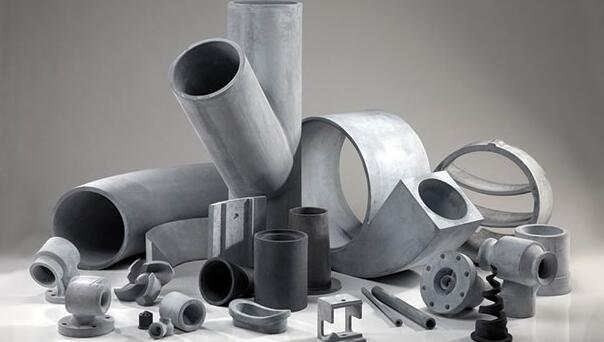
Silicon carbide (SiC) is a high-performance material known for its exceptional hardness, wear resistance, thermal stability, and chemical resistance. Because of these properties, silicon carbide is widely used in abrasive, grinding, polishing, refractory, ceramic, and other demanding industrial applications.
But what is the main use of silicon carbide?
For industrial applications, one of the most important uses of silicon carbide is as an abrasive material. Silicon carbide grit and powder are widely used for cutting, grinding, sandblasting, lapping, polishing, and surface preparation because of their high hardness and sharp cutting ability.
However, abrasives are only one part of the story. Silicon carbide is also used in refractories, advanced ceramics, semiconductor-related applications, and high-temperature environments.
In this guide, we will explain what silicon carbide is mainly used for, its key properties, and 10 common industrial applications.
What Is Silicon Carbide?
Silicon carbide is a compound made primarily of silicon and carbon, with the chemical formula SiC. It is also commonly known as carborundum.
Silicon carbide is one of the hardest industrial materials. Its combination of high hardness, thermal stability, chemical resistance, and low thermal expansion makes it suitable for applications where conventional materials may wear quickly or fail under demanding conditions.
For abrasive applications, silicon carbide is commonly supplied in different forms, including:
- Silicon carbide grit
- Silicon carbide powder
- Silicon carbide micro powder
- Black silicon carbide
- Green silicon carbide
Different grades and particle sizes are selected according to the application, workpiece material, and desired surface finish.
What Is the Main Use of Silicon Carbide?
The main industrial use of silicon carbide is as an abrasive.
Silicon carbide is particularly effective for grinding, cutting, blasting, polishing, and surface finishing because its hard, sharp particles can remove material efficiently.
Compared with softer abrasive materials, silicon carbide can provide:
- High cutting efficiency
- Excellent hardness
- Good wear resistance
- Sharp abrasive edges
- Consistent surface finishing
- Good performance on hard and brittle materials
Silicon carbide abrasives are available in a wide range of grit and powder sizes, allowing manufacturers and end users to select a suitable grade for coarse material removal or fine surface finishing.
Besides abrasive applications, silicon carbide has many other industrial uses.
10 Common Industrial Applications of Silicon Carbide
1. Grinding
Grinding is one of the most common applications of silicon carbide abrasives.
Silicon carbide grit can be used to grind materials such as glass, ceramics, stone, non-ferrous metals, and other relatively hard or brittle materials.
Its sharp abrasive particles help remove material efficiently while producing a controlled surface finish.
Depending on the application, different grit sizes can be selected:
- Coarse grit for material removal
- Medium grit for general grinding
- Fine grit for finishing
Silicon carbide is also widely used in bonded and coated abrasive products.
2. Sandblasting and Abrasive Blasting
Another major use of silicon carbide is abrasive blasting.
Silicon carbide grit is suitable for applications where strong cutting action and efficient surface cleaning are required.
It can be used for:
- Surface cleaning
- Paint removal
- Rust removal
- Deburring
- Surface preparation
- Etching
- Removing contaminants
Because silicon carbide is hard and sharp, it can provide aggressive cutting performance during blasting.
Fine and coarse grades can be selected according to the required surface profile and cleaning intensity.
3. Polishing
Silicon carbide powder and fine grit are also used for polishing and surface finishing.
Fine silicon carbide particles can help produce smoother surfaces on materials such as:
- Glass
- Ceramics
- Stone
- Metals
- Optical components
- Electronic materials
For precision applications, particle size and particle size distribution become especially important.
A suitable fine SiC powder can provide controlled material removal while helping achieve the required surface finish.
4. Lapping and Precision Finishing
Silicon carbide powder is widely used in lapping and precision finishing.
Lapping involves controlled abrasive action between two surfaces to achieve a precise and uniform finish.
Silicon carbide can be used when high cutting efficiency is required for materials such as:
- Ceramics
- Glass
- Optical components
- Hard metals
- Semiconductor-related materials
For these applications, fine particle sizes and controlled particle distributions can be important factors in determining the final surface quality.
5. Cutting and Abrasive Tools
Silicon carbide is also used in the production of various abrasive tools.
It can be incorporated into:
- Grinding wheels
- Cutting discs
- Abrasive papers
- Abrasive belts
- Grinding stones
- Other bonded abrasives
The abrasive grains provide the cutting action needed to remove material from the workpiece.
The selected SiC grit size influences the balance between material removal rate and surface finish.
6. Refractory Materials
Beyond abrasives, silicon carbide is valued for its high-temperature performance.
Silicon carbide can be used in refractory materials and components exposed to high temperatures.
Its properties include:
- High thermal stability
- Good thermal conductivity
- Excellent wear resistance
- Chemical resistance
- Resistance to thermal shock
These properties make SiC useful in demanding high-temperature industrial environments.
Silicon carbide may be incorporated into refractory products used in furnaces, kilns, and other high-temperature equipment.
7. Ceramics
Silicon carbide is an important material in advanced ceramics.
SiC ceramics are valued for their combination of hardness, strength, thermal properties, and chemical resistance.
Applications can include:
- Wear-resistant components
- High-temperature components
- Kiln furniture
- Mechanical components
- Protective components
The performance of silicon carbide ceramics depends on factors such as raw material quality, particle size, purity, processing method, and sintering conditions.
8. Surface Preparation and Deburring
Silicon carbide abrasives can also be used for surface preparation and deburring.
Manufactured parts may have:
- Burrs
- Oxide layers
- Surface contaminants
- Residual coatings
- Uneven surface areas
Abrasive treatment can help prepare the surface before subsequent processes such as coating, painting, bonding, or finishing.
The appropriate SiC abrasive grade depends on the material being processed and the desired surface condition.
9. Semiconductor and Electronic Applications
Silicon carbide has also become increasingly important in advanced electronic and semiconductor applications.
High-purity silicon carbide is used in areas associated with semiconductor materials and power electronics because SiC has excellent electrical, thermal, and high-temperature properties.
Silicon carbide is particularly important for high-power and high-temperature electronic technologies.
However, it is important to distinguish these applications from conventional SiC abrasives. Abrasive-grade silicon carbide and semiconductor-grade SiC have different specifications and quality requirements.
For abrasive applications, particle size, hardness, purity, and particle distribution are often key considerations.
10. Specialized Industrial Applications
Silicon carbide is also used in a variety of specialized industrial applications where high hardness, wear resistance, thermal performance, or chemical resistance is required.
Depending on the grade and processing method, SiC can be found in applications involving:
- Wear-resistant materials
- High-temperature components
- Industrial ceramics
- Precision processing
- Filtration-related components
- Chemical-resistant equipment
As industrial requirements become more demanding, silicon carbide continues to be used in applications where conventional materials may not provide sufficient performance.
Black Silicon Carbide vs. Green Silicon Carbide
For abrasive applications, two common types are black silicon carbide and green silicon carbide.
Black Silicon Carbide
Black SiC is widely used for general abrasive applications such as:
- Sandblasting
- Grinding
- Surface preparation
- Cutting
- Refractory applications
It is commonly selected for applications requiring effective material removal and strong abrasive performance.
Green Silicon Carbide
Green SiC is generally associated with applications requiring higher purity and more precise abrasive performance.
Common applications include:
- Precision grinding
- Fine polishing
- Lapping
- Advanced ceramics
- Precision machining
The choice between black and green silicon carbide should depend on the specific material, processing method, required surface finish, and technical specifications.
Black vs. Green Silicon Carbide: Which One Should You Buy?
How Does Silicon Carbide Work as an Abrasive?
The effectiveness of silicon carbide as an abrasive comes mainly from its high hardness and sharp particle structure.
During grinding or blasting, abrasive particles contact the workpiece surface. The sharp edges of the particles can cut, fracture, or remove small amounts of material.
The result depends on several factors:
1. Grit Size
Coarse grit generally provides faster material removal, while fine grit is better suited to finishing and polishing.
2. Particle Size Distribution
A controlled particle size distribution can help achieve more consistent abrasive performance and surface results.
3. Material Being Processed
Different workpiece materials require different abrasive characteristics.
4. Processing Method
The appropriate SiC grade can vary between:
- Sandblasting
- Grinding
- Lapping
- Polishing
- Cutting
5. Required Surface Finish
A coarse abrasive may be appropriate for aggressive cleaning, while a fine powder may be more suitable for precision polishing.
How to Choose the Right Silicon Carbide for Your Application
Choosing silicon carbide is not simply a matter of selecting the hardest abrasive. The correct product depends on the application and required results.
Consider the following factors:
| Factor | Why It Matters |
|---|---|
| SiC Type | Black or green SiC may be selected according to application |
| Grit Size | Determines cutting action and surface finish |
| Particle Size | Important for powder and micro powder applications |
| Particle Distribution | Influences consistency and finishing performance |
| Purity | Important for demanding precision and specialty applications |
| Application | Grinding, blasting, polishing, lapping, etc. |
| Packaging | Should match transportation, storage, and production requirements |
For industrial customers, customized silicon carbide abrasive specifications may also be available depending on the supplier and production capabilities.
What Is Silicon Carbide Mainly Used For?
To summarize, the main use of silicon carbide is as a high-performance abrasive material.
Silicon carbide grit and powder are widely used for:
- Grinding
- Sandblasting
- Polishing
- Lapping
- Cutting and abrasive tools
- Refractory materials
- Advanced ceramics
- Surface preparation and deburring
- Semiconductor and electronic applications
- Specialized industrial applications
Among these, abrasive applications remain one of the most established uses of silicon carbide, particularly in the form of grit, powder, and micro powder.
Conclusion
So, what is the main use of silicon carbide?
For industrial applications, silicon carbide is most widely recognized as a high-performance abrasive. Its high hardness, sharp abrasive properties, wear resistance, and thermal stability make it suitable for grinding, sandblasting, polishing, lapping, and other surface-processing applications.
At the same time, silicon carbide has applications far beyond abrasives. Its unique combination of physical and chemical properties makes it valuable in refractory materials, advanced ceramics, high-temperature components, and semiconductor-related technologies.
When selecting silicon carbide for an abrasive application, grit size, particle size distribution, purity, SiC type, and application requirements should all be considered.
The right silicon carbide specification can help improve cutting efficiency, surface finish, and overall processing performance.
Frequently Asked Questions
What is the main use of silicon carbide?
The main industrial use of silicon carbide is as an abrasive material. Silicon carbide grit and powder are widely used for grinding, sandblasting, polishing, lapping, cutting, and surface preparation.
What is silicon carbide used for?
Silicon carbide is used for abrasive applications, refractory materials, advanced ceramics, high-temperature components, and semiconductor-related applications. Its exact use depends on its grade, purity, particle size, and processing requirements.
Is silicon carbide good for sandblasting?
Yes. Silicon carbide is a hard and sharp abrasive that can provide strong cutting action for sandblasting, surface cleaning, paint removal, rust removal, and surface preparation.
What is the difference between black and green silicon carbide?
Black silicon carbide is commonly used for general abrasive and industrial applications, while green silicon carbide is often selected for higher-purity and precision applications such as fine grinding, lapping, and polishing.
What grit size of silicon carbide should I use?
The appropriate grit size depends on the application. Coarser grit is generally used for aggressive material removal and blasting, while finer grit is more suitable for grinding, lapping, and polishing.
Can silicon carbide be customized?
Yes, depending on the supplier’s production capabilities, silicon carbide abrasives can be supplied according to specific requirements such as grit size, particle size, particle size distribution, purity, SiC type, and packaging.