Silicon Carbide Grit Sizes: A Complete Guide to Choosing the Right Mesh Size
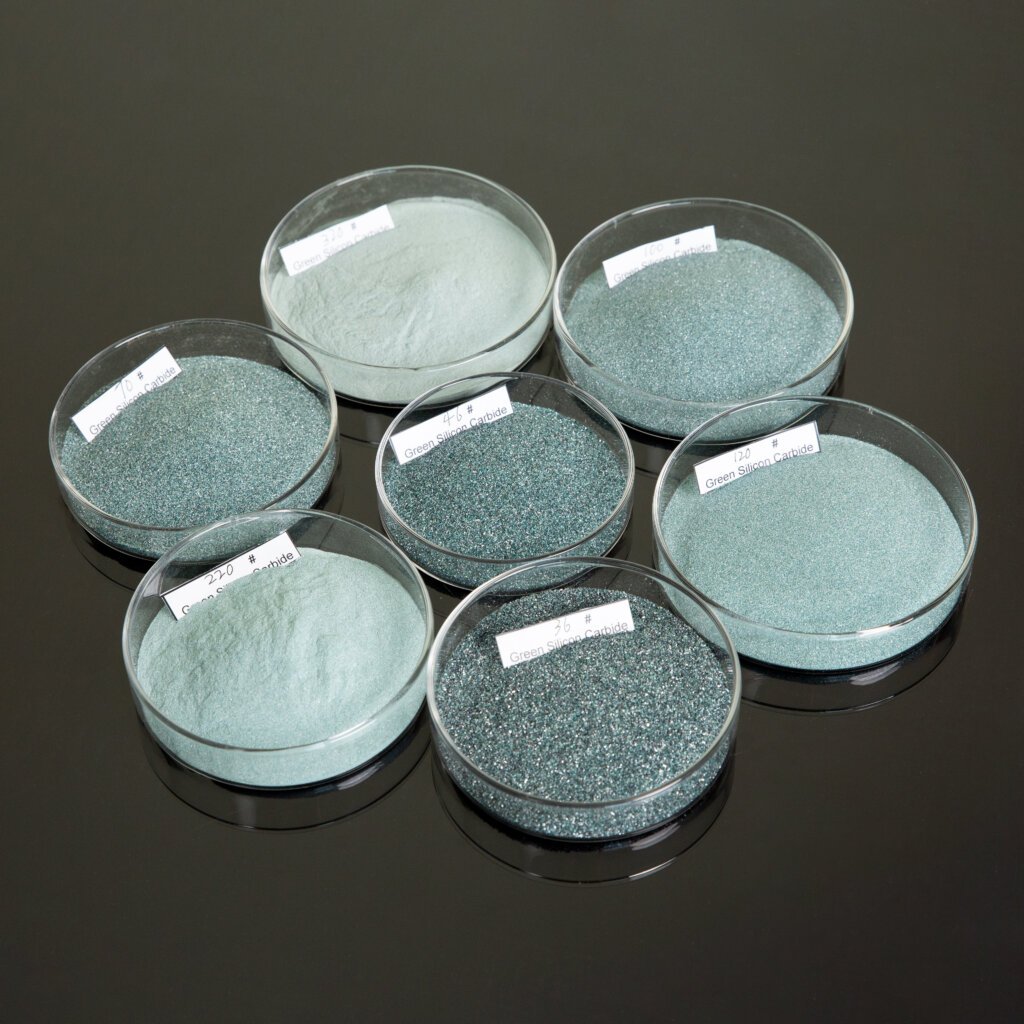
Choosing the right silicon carbide grit size is important for achieving the desired surface finish, cutting performance, and material removal rate. Whether you are purchasing silicon carbide for sandblasting, grinding, lapping, polishing, or precision applications, the grit size can significantly affect the final result.
Silicon carbide is available in a wide range of grit sizes, from coarse abrasive grains to very fine powders. Understanding what these grit numbers mean and how to select the right size can help buyers avoid choosing a product that is either too aggressive or too fine for their application.
In this guide, we explain silicon carbide grit sizes, common mesh sizes, and how to choose the right SiC grit for different applications.
What Is Silicon Carbide Grit?
Silicon carbide grit refers to crushed and classified silicon carbide abrasive particles. After silicon carbide is produced, it is crushed, processed, and screened into different particle sizes.
The size of the abrasive particles affects how aggressively the material cuts or removes a surface.
In general:
- Coarse grit removes material faster and produces a rougher finish.
- Medium grit provides a balance between material removal and surface finish.
- Fine grit produces a smoother surface and is commonly used for finishing and polishing.
- Very fine SiC powder is used for precision polishing, lapping, and other applications requiring extremely small particles.
For this reason, grit size is one of the most important specifications to consider when purchasing silicon carbide.
What Do Silicon Carbide Grit Numbers Mean?
Silicon carbide grit is commonly identified using grit numbers such as #16, #24, #36, #46, #60, #80, #120, #220, #320, and finer sizes.
The basic rule is:
The lower the grit number, the coarser the abrasive particles. The higher the grit number, the finer the particles.
For example:
- #16 SiC → very coarse
- #36 SiC → coarse
- #60 SiC → medium-coarse
- #120 SiC → medium-fine
- #220 SiC → fine
- #320 SiC → very fine
However, grit number should not be interpreted as an exact particle diameter. Different grading standards can use different classification methods, so buyers should always confirm the applicable standard and particle size distribution with their supplier.
Silicon Carbide Grit Size Chart
The following chart provides a general reference for common silicon carbide abrasive grit sizes.
| SiC Grit Size | General Particle Range | Typical Applications |
|---|---|---|
| #16–#24 | Very coarse | Heavy material removal, aggressive blasting |
| #30–#46 | Coarse | Grinding, surface preparation, blasting |
| #54–#80 | Medium | Grinding, blasting, deburring |
| #100–#120 | Medium-fine | Surface finishing, lapping |
| #150–#180 | Fine | Finishing and polishing |
| #220–#240 | Fine | Fine grinding and lapping |
| #280–#320 | Very fine | Precision finishing and polishing |
| Fine powder | Micron-sized | Precision polishing, lapping, advanced applications |
Note: Actual particle size ranges may vary depending on the grading standard and supplier. For industrial purchasing, always confirm the specification and particle size distribution before ordering.
Coarse vs. Fine Silicon Carbide Grit
The right grit size depends largely on the balance between material removal rate and surface finish.
Coarse Silicon Carbide Grit
Coarse grit contains larger abrasive particles and provides more aggressive cutting action.
It is suitable when you need to:
- Remove rust or coatings
- Remove material quickly
- Prepare rough surfaces
- Perform aggressive grinding
- Clean heavily contaminated surfaces
- Prepare surfaces before subsequent finishing
Common coarse sizes include:
#16, #24, #30, #36, #46
Coarse grit is generally not the best choice when a smooth final surface is required.
Fine Silicon Carbide Grit
Fine grit contains smaller abrasive particles and provides a smoother finishing effect.
It is commonly used for:
- Fine grinding
- Lapping
- Polishing
- Precision surface finishing
- Optical applications
- Ceramic finishing
Common fine sizes include:
#120, #180, #220, #240, #320 and finer powders
The trade-off is that finer grit generally removes material more slowly than coarse grit.
How to Choose the Right Silicon Carbide Grit Size
When selecting silicon carbide, consider the following four factors:
1. What Material Are You Processing?
Silicon carbide can be used on many hard and brittle materials, including:
- Glass
- Ceramics
- Stone
- Non-ferrous metals
- Refractory materials
- Composite materials
- Semiconductor-related materials
The hardness and characteristics of the workpiece should influence your grit selection.
2. How Much Material Needs to Be Removed?
If the main goal is rapid material removal, a coarser grit is generally more appropriate.
If only a small amount of material needs to be removed, a medium or fine grit may provide better control.
3. What Surface Finish Do You Need?
This is one of the most important considerations.
Rough surface → Coarse grit
Intermediate finish → Medium grit
Smooth surface → Fine grit
Precision finish → Very fine grit or powder
4. What Is Your Application?
Different applications require different grit sizes. The same silicon carbide product may not be suitable for every process.
Recommended Silicon Carbide Grit Sizes by Application
| Application | Recommended Grit Range | Main Purpose |
|---|---|---|
| Heavy Sandblasting | Coarse grit | Fast material removal |
| Rust & Coating Removal | Coarse to medium | Surface preparation |
| Grinding | Medium to coarse | Material removal |
| Deburring | Medium grit | Edge and burr removal |
| Surface Finishing | Medium to fine | Improve surface quality |
| Lapping | Fine grit | Controlled surface finishing |
| Polishing | Fine grit / powder | Smooth surface finish |
| Precision Polishing | Very fine powder | High-quality surface finishing |
| Glass Processing | Fine to medium | Grinding and finishing |
| Ceramic Processing | Fine to medium | Grinding and surface preparation |
Important: The recommended grit size is only a starting point. Actual selection should depend on the material, equipment, processing method, desired surface finish, and operating conditions.
Black Silicon Carbide vs. Green Silicon Carbide: Does Grit Size Matter?
Both Black Silicon Carbide and Green Silicon Carbide are available in different grit sizes, so grit selection is not limited to one type of SiC.
The main difference is their composition, purity, and typical applications.
Black Silicon Carbide is commonly used for applications such as:
- Abrasive blasting
- Grinding
- Surface preparation
- Cutting
- General abrasive applications
Green Silicon Carbide has higher purity and is commonly selected for applications requiring high hardness and sharper cutting performance, such as:
- Precision grinding
- Lapping
- Polishing
- Ceramic processing
- Semiconductor-related applications
Therefore, buyers should consider both the type of silicon carbide and the required grit size when selecting a product.
Silicon Carbide Grit vs. Silicon Carbide Powder
One common question from first-time buyers is whether they need silicon carbide grit or powder.
The main difference is particle size.
Silicon carbide grit generally refers to larger abrasive particles used for grinding, blasting, cutting, and surface preparation.
Silicon carbide powder consists of much finer particles and is commonly used for lapping, polishing, precision finishing, and specialized applications.
If you need aggressive material removal, start by considering a suitable grit size.
If you need a highly smooth or precise surface finish, a fine SiC powder may be more appropriate.
What Grit Size Should You Buy?
There is no single silicon carbide grit size that works for every application.
A simple starting point is:
For fast material removal:
Choose coarse grit such as #16–#46.
For general grinding and surface preparation:
Consider medium grit such as #54–#120.
For fine finishing:
Consider #150–#240.
For precision finishing and polishing:
Consider #280–#320 or finer silicon carbide powder.
However, these ranges are only general guidelines. For industrial applications, the best choice depends on the workpiece material, equipment, processing method, and required surface finish.
What Should You Ask Your Silicon Carbide Supplier?
When requesting a silicon carbide quotation, don’t provide only the grit number.
A complete inquiry should include:
- Silicon carbide type: Black or Green
- Grit size
- Applicable grading standard
- SiC purity
- Particle size distribution
- Application
- Required quantity
- Packaging requirements
For example:
Green Silicon Carbide, #220 grit, for precision lapping, industrial grade, 1 ton.
Providing this information helps suppliers recommend the appropriate product and provide a more accurate quotation.
Final Thoughts
Choosing the right silicon carbide grit size is mainly about finding the right balance between material removal, surface finish, and processing efficiency.
Coarse silicon carbide grit is generally suitable for aggressive material removal and surface preparation, while finer grit and silicon carbide powder are better suited to finishing, lapping, and polishing.
Before purchasing, always consider the SiC type, grit size, grading standard, application, and required surface finish rather than selecting a grit number alone.
If you are unsure which silicon carbide grit size is suitable for your application, providing your material, application, desired finish, and required quantity to the supplier can make the selection much easier.