7 Key Benefits of Silicon Carbide in Ceramic Manufacturing
Introduction
Silicon carbide in ceramic manufacturing plays an important role in improving high-temperature processing, kiln performance, and the production of advanced ceramic components. Known for its high hardness, excellent thermal conductivity, thermal shock resistance, and chemical stability, silicon carbide (SiC) is widely used in industrial environments where conventional materials may not provide sufficient performance.
From traditional ceramic tiles and sanitaryware to advanced technical ceramics, silicon carbide supports various manufacturing processes. It is used to produce kiln furniture, firing supports, rollers, setter plates, and specialized ceramic components.
Understanding the properties and applications of silicon carbide helps ceramic manufacturers select suitable materials for their production requirements.
1. Why Is Silicon Carbide Used in Ceramic Manufacturing?
The ceramic manufacturing process often involves high temperatures, repeated heating and cooling, and mechanical loads. Materials used in these environments must maintain their strength and stability throughout the firing process.
Silicon carbide offers several properties that make it suitable for demanding ceramic applications.
- High-temperature strength: Helps components withstand elevated temperatures and mechanical loads.
- Thermal conductivity: Supports efficient heat transfer in suitable kiln applications.
- Thermal shock resistance: Helps components tolerate rapid temperature changes.
- Wear resistance: Provides durability under repeated handling and mechanical contact.
- Chemical stability: Offers resistance to many industrial environments, depending on operating conditions.
These properties make silicon carbide an important material for ceramic production equipment and advanced ceramic engineering.
2. Silicon Carbide Kiln Furniture for Ceramic Firing
One of the major applications of silicon carbide in ceramic manufacturing is kiln furniture. Kiln furniture supports ceramic products during firing and helps maintain their position throughout the thermal processing cycle.
Common SiC kiln furniture products include:
- Silicon carbide kiln shelves
- Setter plates and support plates
- Beams and support posts
- Ceramic firing rollers
- Saggers and specialized kiln components
Compared with conventional kiln furniture materials, appropriately designed SiC components can offer favorable high-temperature strength and thermal performance. Depending on the kiln design, these properties may support reduced component thickness, lower furniture weight, or improved firing efficiency.
The actual benefits depend on the SiC grade, component design, kiln temperature, loading conditions, and firing schedule.
3. Improved Thermal Conductivity and Heat Transfer
Thermal management is an important factor in ceramic firing. Uneven heat distribution can affect product quality, dimensional stability, and the consistency of the final ceramic material.
Silicon carbide has relatively high thermal conductivity compared with many conventional refractory materials. This property makes it useful for kiln components that require efficient heat transfer.
In suitable kiln systems, SiC furniture can help distribute heat through the supporting structure. However, the overall temperature uniformity of a kiln also depends on burner arrangement, airflow, product spacing, kiln insulation, and firing conditions.
For ceramic manufacturers, selecting suitable silicon carbide components can be one part of a broader strategy to improve thermal processing.
4. Thermal Shock Resistance in Repeated Firing Cycles
Ceramic manufacturing frequently involves repeated heating and cooling. These temperature changes create thermal stresses that can cause cracking, deformation, or premature component failure.
Silicon carbide is valued for its thermal shock resistance, which is influenced by its thermal conductivity, mechanical properties, microstructure, and component geometry.
SiC kiln furniture can therefore be suitable for applications involving frequent thermal cycling. Its performance depends on the specific material grade and operating environment.
Manufacturers should consider the maximum operating temperature, heating and cooling rates, mechanical loading, and potential chemical exposure when selecting silicon carbide components.
5. Applications in Advanced Technical Ceramics
Beyond traditional ceramics, silicon carbide is relevant to advanced technical ceramic manufacturing.
Technical ceramics are engineered for specific mechanical, thermal, electrical, or chemical properties. They are used in electronics, energy systems, industrial machinery, and specialized manufacturing equipment.
Silicon carbide-related applications include:
- High-temperature kiln components
- Technical ceramic firing supports
- Wear-resistant ceramic components
- Thermal-processing equipment
- Specialized sintering fixtures
SiC itself can also be manufactured into advanced ceramic components. Depending on the production route, these components may be used in applications requiring hardness, wear resistance, corrosion resistance, or high-temperature stability.
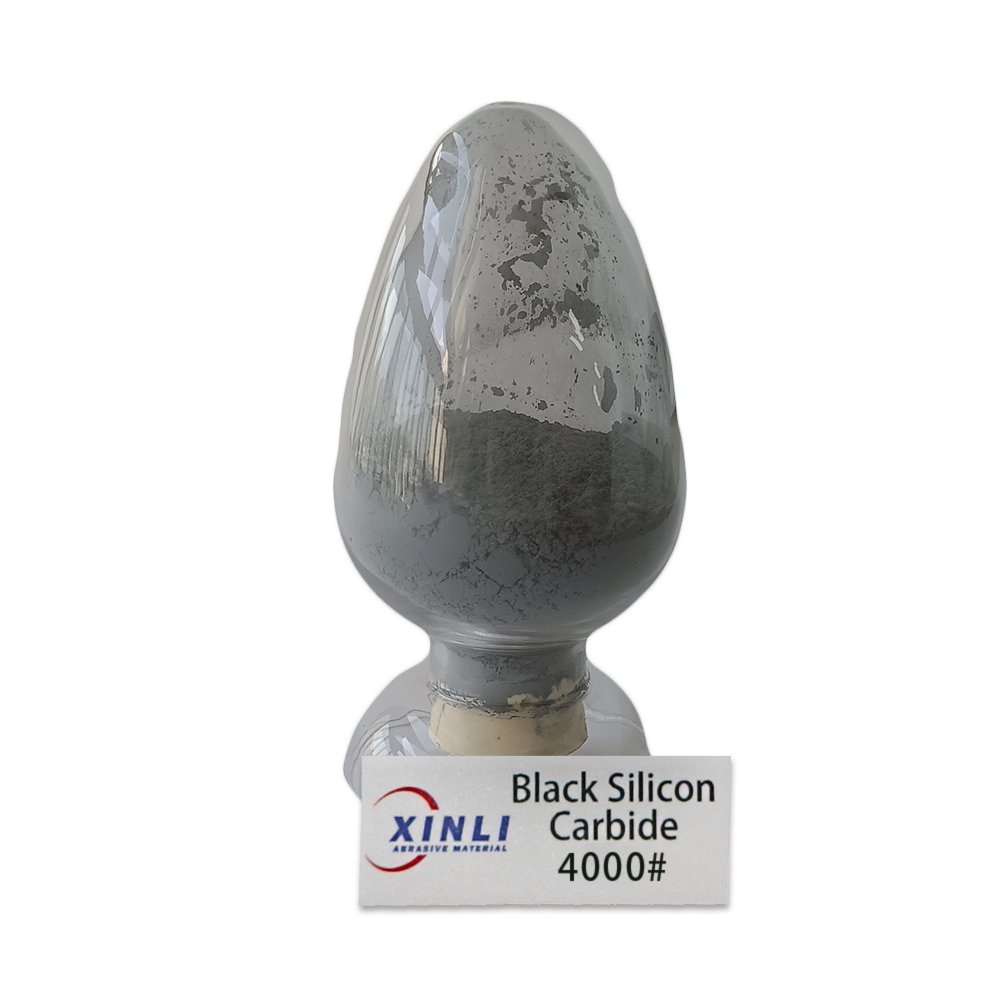
It is important to distinguish between silicon carbide powder used as a raw material and finished silicon carbide components used in ceramic processing. The required powder specifications differ according to the final product and manufacturing method.
6. Choosing Silicon Carbide Powder for Ceramic Applications
For manufacturers producing silicon carbide ceramics, raw material selection is an important part of process control.
The properties of the starting powder can influence packing behavior, forming, densification, microstructure, and final performance.
When sourcing silicon carbide powder, consider the following factors.
Purity and Impurity Levels
Chemical purity can affect sintering behavior and final ceramic properties. The acceptable impurity level depends on the intended application and manufacturing process.
Particle Size and Distribution
Particle size influences powder packing, forming behavior, and sintering. Fine powders may be suitable for certain dense technical ceramics, while other processes require different particle sizes.
Crystal Structure
Silicon carbide occurs in different polytypes, including alpha-SiC and beta-SiC. The preferred material depends on the application, powder characteristics, and processing route.
Batch Consistency
Consistent particle size, chemical composition, and other powder characteristics help manufacturers maintain stable production conditions.
Before choosing a grade, buyers should confirm technical specifications with the supplier and evaluate the powder under their actual processing conditions.
7. How to Select the Right Silicon Carbide Material
Choosing the right silicon carbide material starts with identifying its intended use.
For kiln furniture, manufacturers should focus on the component’s operating temperature, mechanical load, thermal cycling, and chemical environment.
For silicon carbide powder used in advanced ceramic production, key considerations include purity, particle size, particle size distribution, crystal phase, and compatibility with the selected sintering process.
A reliable supplier should provide clear technical specifications and help buyers identify an appropriate grade for their application.
For industrial buyers, it is also worth evaluating production capacity, quality control, packaging options, and the supplier’s ability to maintain consistent batches.
Frequently Asked Questions
Is silicon carbide used in ceramic manufacturing?
Yes. Silicon carbide is used in kiln furniture, firing supports, rollers, setter plates, and advanced ceramic components because of its thermal, mechanical, and chemical properties.
Why is silicon carbide suitable for high-temperature ceramic firing?
Silicon carbide offers high-temperature strength, thermal conductivity, and thermal shock resistance. Its suitability depends on the grade, component design, and actual operating conditions.
Can silicon carbide powder be used to manufacture technical ceramics?
Yes. Silicon carbide powder is used to manufacture technical ceramic components. Powder purity, particle size, crystal structure, and sintering conditions all influence the final properties.
How do I choose the right SiC powder?
Start with the intended application and manufacturing process. Compare purity, particle size, particle size distribution, crystal phase, and other relevant technical specifications with your production requirements.
Conclusion
Silicon carbide in ceramic manufacturing is important for high-temperature processing, kiln furniture, and advanced technical ceramic applications. Its combination of thermal conductivity, thermal shock resistance, hardness, and high-temperature performance makes it a valuable material for demanding industrial environments.
Whether you are sourcing SiC powder for ceramic production or evaluating materials for high-temperature equipment, selecting the right grade requires a clear understanding of the intended application and processing conditions.
At Xinli, we supply black and green silicon carbide powders for industrial applications. Contact our team to discuss particle sizes, technical specifications, and material requirements for your project.